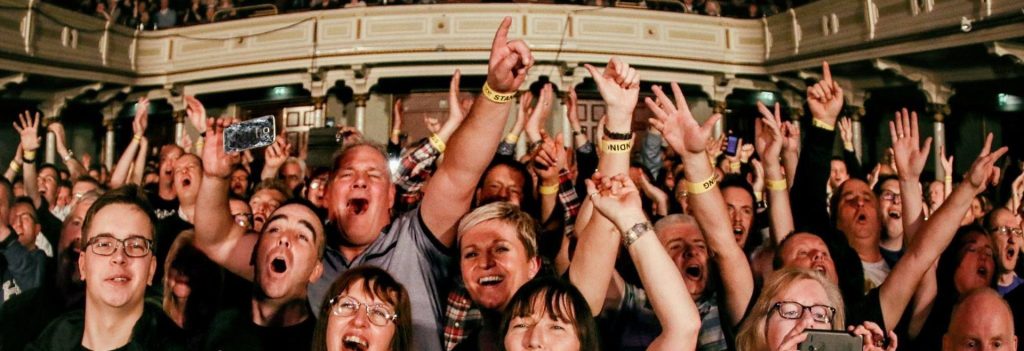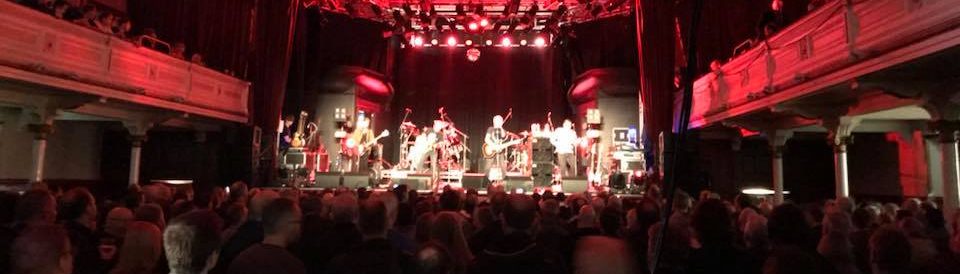
When Glasgow shut its doors to punk in the late 1970s after notorious shows by bands like The Stranglers, it was Paisley that opened them again, giving artists and audiences a stage when Scotland’s biggest city would not. The Bungalow and other local spaces became an unlikely centre of gravity for a new scene, with fans travelling out from Glasgow because Paisley believed in the music when others were too nervous to touch it.
Fast‑forward to today, and a different kind of “ban” is emerging – softer, more polite, couched in emails about radius clauses and existing promoters, but with the same effect: Paisley is being told to step aside so the big city can carry on undisturbed. For a town that helped keep Scotland’s live scene alive when the city got cold feet, that is a strange reward.
A town that punched above its weight
Paisley’s track record is not nostalgia; it is proof of delivery. The town hosted early punk and new wave names, became home turf to artists who went on to national and international success, and has a documented story of riots, trailblazing gigs and grassroots labels that shaped Scottish music culture. The Paisley Music Trail – “Punk, Paolo and the Poet Weaver” – now literally walks visitors through this history, connecting figures like Gerry Rafferty, Paolo Nutini and a cast of punk outliers to the streets and venues of the town.
In recent years, that heritage has been renewed rather than retired. The Bungalow has been transformed and relaunched, winning national recognition from organisations such as PRS for Music and being profiled as a model grassroots venue that still treats artists fairly. Alongside it sit arts centres, church spaces, student‑fuelled nights and festivals, keeping live music stitched into everyday local life and feeding audiences into bigger shows.
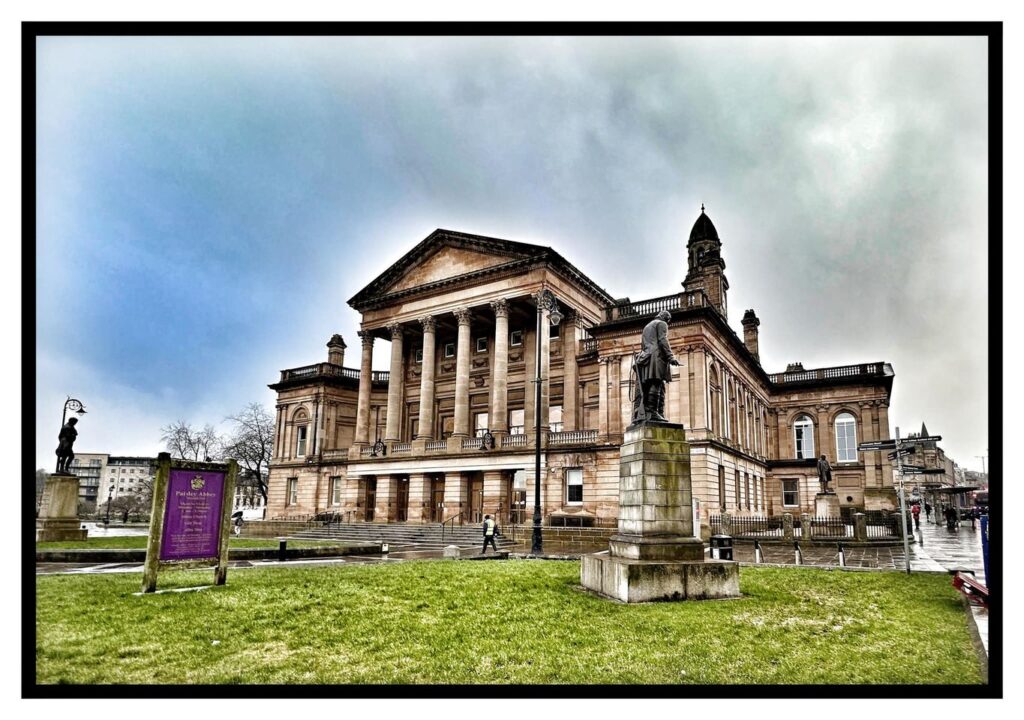
Paisley Town Hall: international‑standard alternative
The clearest sign that Paisley is more than a side‑room is its town hall. After a major refurbishment, this A‑listed landmark now houses a 1,000‑plus‑capacity main hall, designed as a state‑of‑the‑art performance space with modern staging, high‑end sound and flexible seating. Technical partners highlight how the lighting, audio and seating systems were upgraded specifically to handle large‑scale concerts, tours and broadcast‑quality events.
For an artist looking at a Scottish central‑belt date, that means a genuine big‑room alternative in a town setting: a hall that can host over 1,000 people, deliver arena‑style production values, and still feel close enough for a shared sing‑along with the back row. Paisley Town Hall sits minutes from Glasgow Airport and right beside major rail and road links, so audiences from across Scotland and beyond can get there easily – and get home again without a 2am epic.
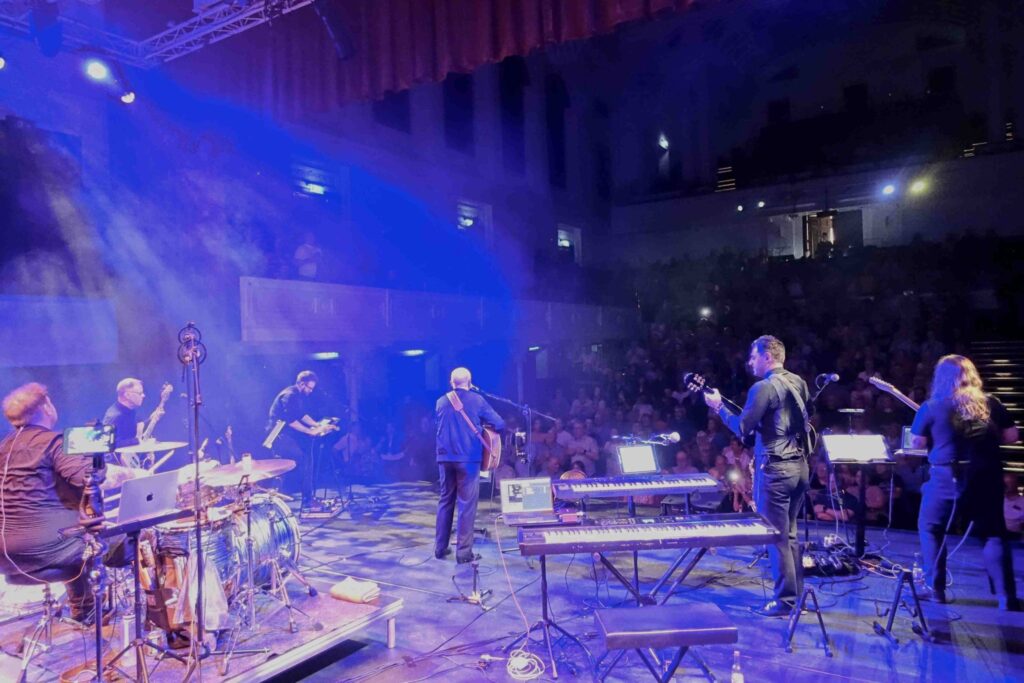
Biggest town, real audience
Paisley is Scotland’s largest town, not a dormitory suburb, with its own centre, culture and identity. The surrounding population, combined with Renfrewshire and nearby communities, gives artists a substantial catchment – and, crucially, a community that has turned out repeatedly for shows, festivals and special events. In a smaller city market, a 1,000–1,200‑cap night can feel like a reach; in Paisley, that size sits in the sweet spot between “big event” and “everyone knows someone who was there”.
Grassroots venues like The Bungalow act as a constant feeder, building and educating audiences who care about live music and support touring acts when they come through. For performers, that translates into rooms where songs are known, merch tables are busy and word‑of‑mouth still matters – the kind of conditions that make a town a proper stop, not a punt.
Not competition – a better story
The familiar email line – “too close to Glasgow, we already have a promoter there” – treats Paisley as an outer postcode, not as the biggest town with its own world‑class spaces, international airport, and historic back story. In reality, distance works in artists’ favour: close enough that Glasgow fans can hop on a train or short drive, different enough that a Paisley date feels like its own headline, not a reduced‑price spin‑off.
Paisley is not asking for favours because of what it did in the 1970s. It is asking to be recognised, today, as a serious music destination whose venues, promoters and audiences add value to Scotland’s live ecosystem. When a Paisley show seems “too near Glasgow”, it’s really a missed chance to turn a Scottish date into a headline night in Scotland’s biggest town – with its own world‑class spaces, airport on the doorstep and an audience that lives for live music.
If you want a west‑of‑Scotland date in either an intimate grassroots venue or a 1,000‑plus international‑standard hall, in Scotland’s biggest town, with a built‑in, appreciative crowd and a punk‑rooted story of standing up for live music, come to Paisley – a powerful alternative that proves Scotland’s music story has more than one stage.